Update Printable High Quality Design: Your Next Creative Asset
Every designer, entrepreneur, and crafter hits a point where a project needs to look polished, professional, and ready for the real world. You might have a brilliant concept for a t-shirt line, a series of custom mugs for your Etsy shop, or a bold new logo for a client. The vision is clear, but the execution requires assets that are versatile, high-resolution, and ready to adapt to any medium. This is where having a reliable, premium sublimation design in your toolkit changes the game, moving you from idea to finished product with confidence.
Beyond a Single File: The Power of Multi-Format Versatility
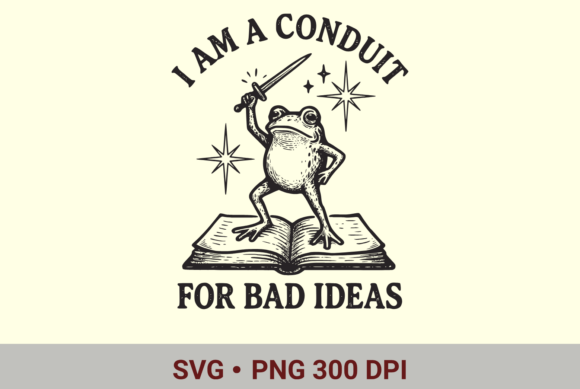
A truly useful design asset isn't just a pretty picture. It's a workhorse. Consider the Update Printable High Quality Design package: a 4000 x 4000 pixel canvas delivered in SVG, PNG, and JPG formats. This isn't just technical detail—it's practical freedom. The SVG format is a vector, meaning you can scale it to the size of a billboard or a business card without a single pixel of quality loss. This is critical for logo design and large-format printing like posters or banners. The high-resolution PNG, with its transparency support, lets you layer the design onto any background color or product mockup seamlessly. The JPG is your quick, ready-to-use file for digital mockups and social media previews.
This multi-format approach means one design asset can fuel an entire brand identity. You can use the same core graphic on your website header (SVG for sharpness), your Instagram story (PNG for flexible placement), and your product packaging (JPG for print-ready files). It ensures visual consistency across every customer touchpoint, which is a cornerstone of building brand recognition.
Practical Applications: From Digital Screens to Physical Products
The true test of a design is how well it translates from a screen to a tangible object. This is where the Update Printable High Quality Design excels, particularly for sublimation printing. Sublimation infuses ink directly into materials, resulting in vibrant, durable prints that won't crack or peel. Imagine applying this design to:
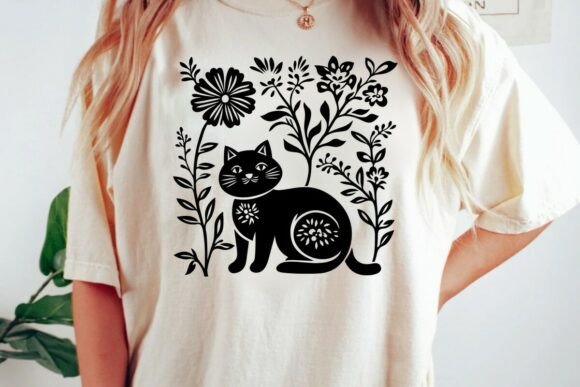
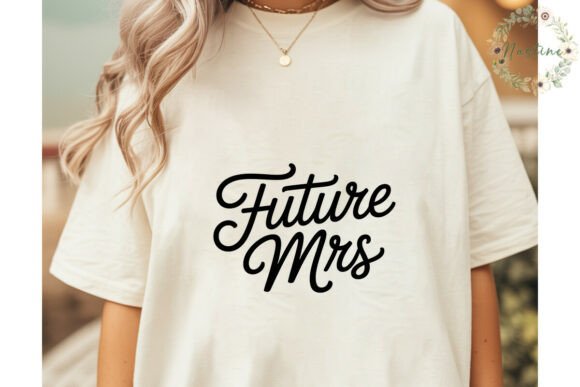
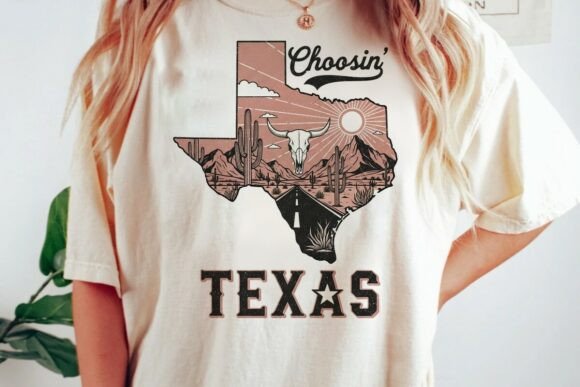
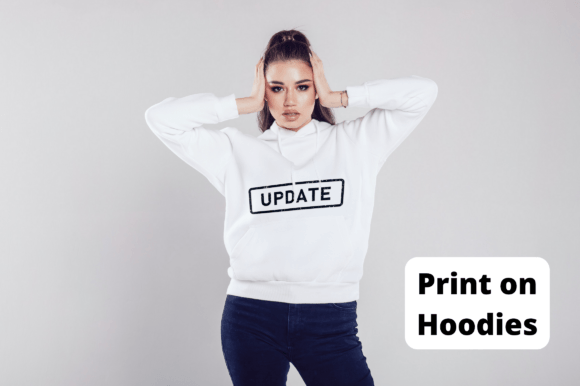
- Apparel and Accessories: Create standout t-shirts, sweatshirts, and hoodies. The design's clarity ensures it looks sharp on fabric, making it ideal for merchandise, team uniforms, or fashion lines.
- Drinkware and Home Goods: Mugs, water bottles, and pillows become personalized canvases. A well-designed graphic can turn a simple mug into a bestseller or a pillow into a statement piece for home decor.
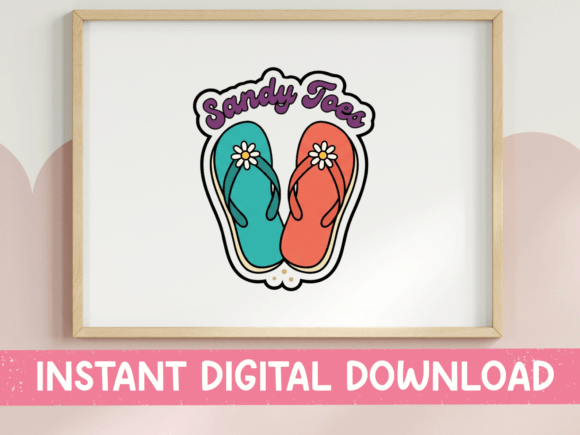
- Stationery and Office Supplies: Design eye-catching greeting cards, invitations, or notebook covers. Mouse pads and framed prints offer additional avenues for artists to monetize their work.
- Tech Accessories: Phone cases and laptop skins are hugely popular markets. A high-quality, original design can set your products apart in a crowded online marketplace.
For small business owners, this means you can develop a cohesive product line without commissioning multiple separate artworks. For crafters, it means having a library of assets ready for personal projects, gifts, or local craft fair inventory.
Enhancing Your Professional Workflow and Presentation
Using a premium, high-resolution design directly impacts the professionalism of your output. There's a noticeable difference between a slightly blurry, upscaled image and a crisp, native 4000px file. The latter communicates quality and care, which subconsciously builds trust with your audience. Whether you're presenting a brand mockup to a client or listing a product for sale, clarity matters.
Furthermore, having the design in vector (SVG) format is a game-changer for editing. You can easily adjust colors to match a specific brand palette, isolate elements for use in other compositions, or integrate the design into more complex layouts for editorial design or marketing assets. This level of control is what separates a hobbyist from a professional. It allows for true customization, ensuring the asset serves your specific project goals rather than forcing you to work around its limitations.
Integrating the Asset: Smart Design and Brand Strategy
When you bring a strong visual element like this into your work, think strategically about how it interacts with your other design choices, especially typography. If the design is bold and graphic, pair it with a clean, simple sans-serif font for body text to ensure readability. If it's intricate, use a strong, legible typeface for headlines to create a clear hierarchy.
Consider the context. A design destined for a textured sublimation product like a pillow might need slightly bolder lines than one intended for a smooth, glossy phone case. Always test a print sample or a high-fidelity digital mockup before committing to a full production run. This simple step can save time, money, and frustration, ensuring the final product matches your vision.
For those building a brand, think of this design not just as a single image but as a potential cornerstone of your visual language. Could it be adapted into a pattern for packaging? Could a section of it become a standalone icon for your favicon or social media profile picture? Leveraging a high-quality asset in multiple, thoughtful ways is a hallmark of efficient and effective brand building. It creates a familiar visual thread that customers can recognize, whether they're seeing your product online, in a store, or on a friend's t-shirt.